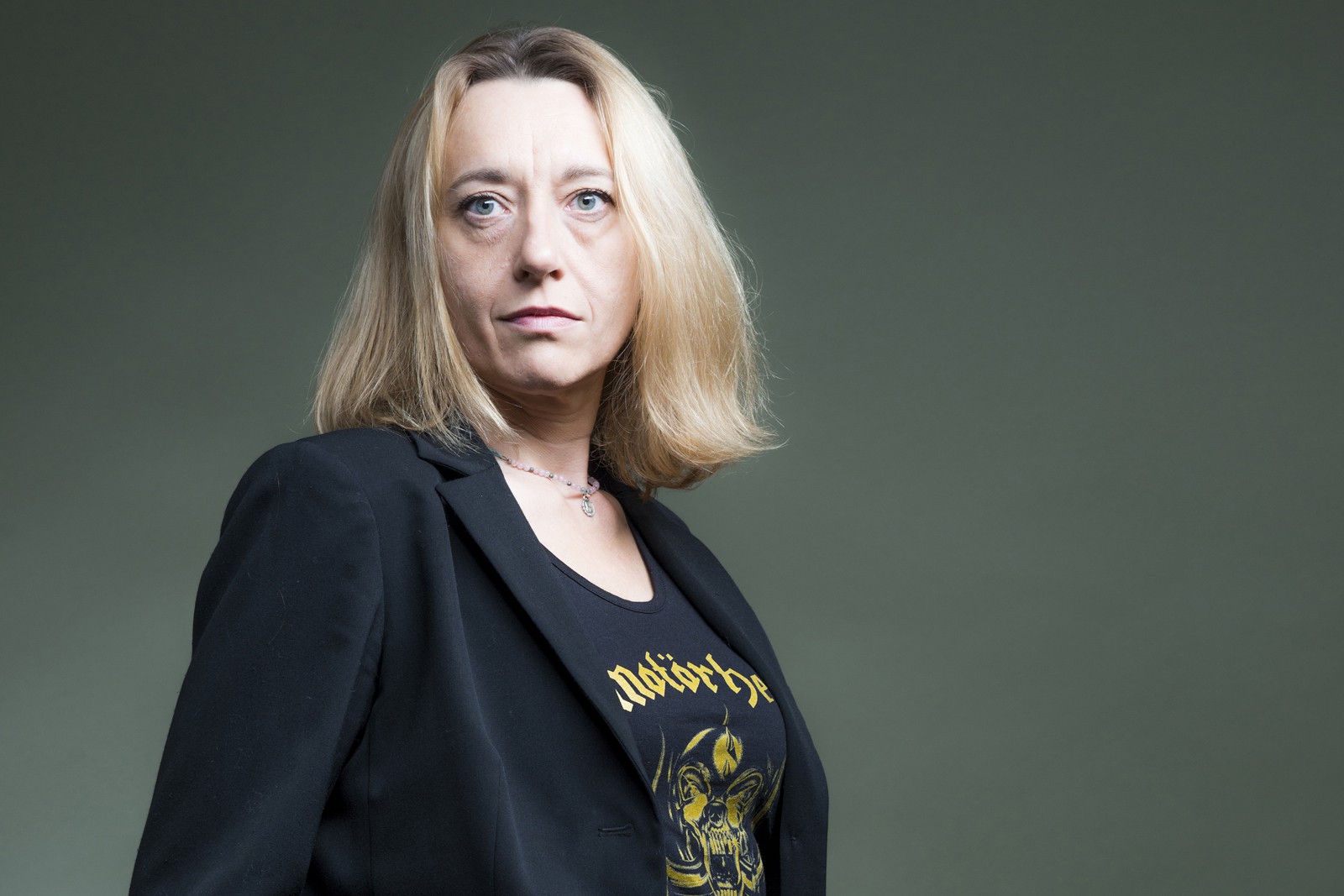
With Virginie Despentes: Healing by writing, feminism and rape as a subject for men
“Rape, it’s like a dark place without language for men. It’s like night.” – Virginie Despentes
Virginie Despentes is a french writer and filmmaker we desperately need to pay attention. His book “King Kong theory” moves through theory, manifest and her memoirs where, just like his other movies and writings, she deals with feminism, gender violence, prostitution and stereotypes.
In an interview to the Broadly channel, Virginie Despentes talks about her career, feminism, and her own experiences with prostitution and the time she was raped:
“When I was raped more than 30 years ago, if you were raped, you couldn’t, you would find yourself pretty much on your own. Hearing kind of, “It’s a shame, you should have died. You will never be the same again, you will never recover” which is not really helpful. It would be difficult to find some tools to get out of the trauma and make something out of it.”
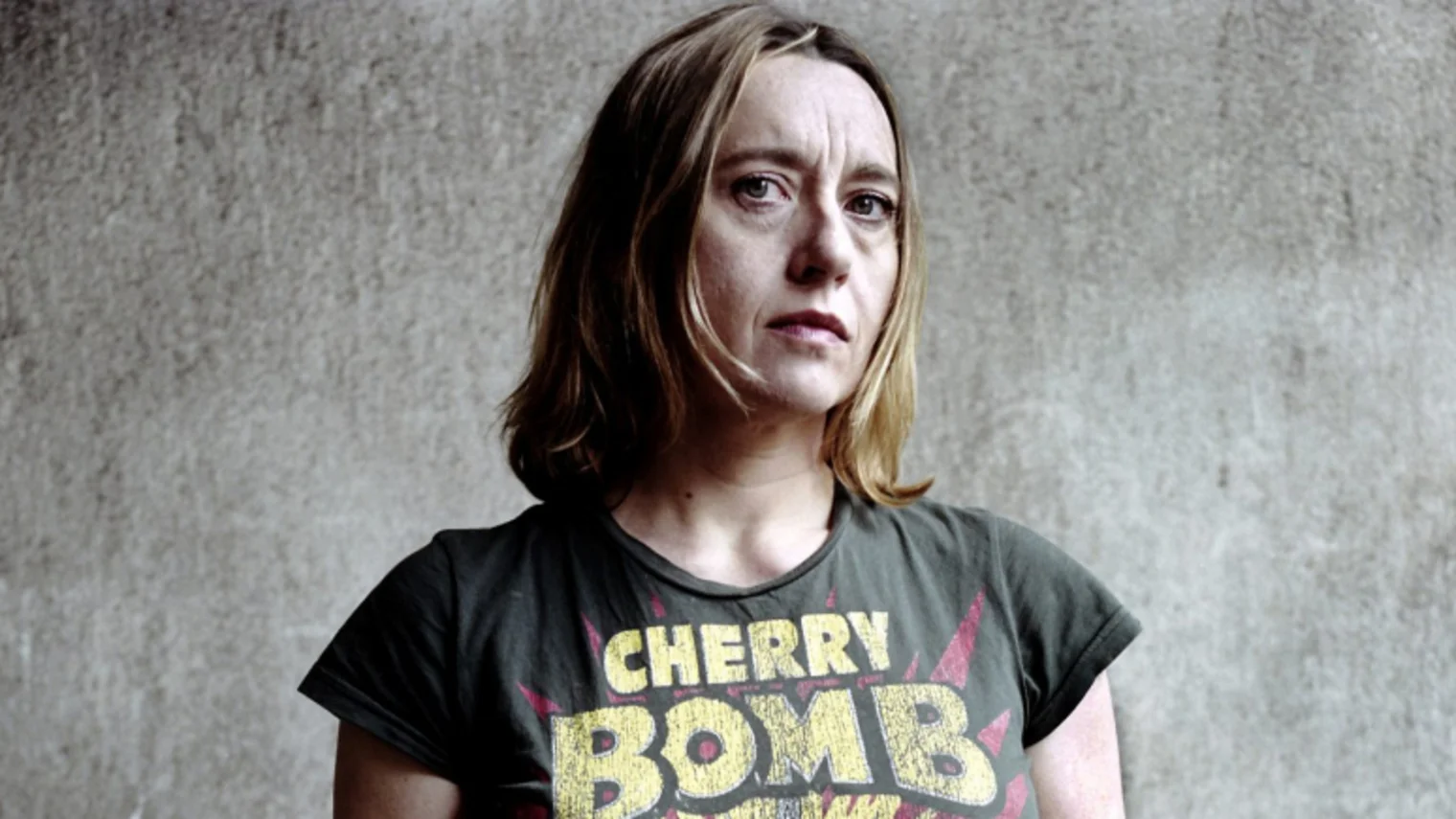
Virginie Despentes
In a speech resembling that of Hilda Hilst about being a writer and the importance of writiing, Despentes tells what his book became both for the readers and for her:
“I never thought that writing was something that helps you heal but I think I changed a lot after having published King Kong Theory. King Kong theory here in France was read by many women and I’ve connected to many, many women. So I suppose something about healing did work here.”
Chimamanda Agozie brings our attention to the problem of gender expectations and the behaviour taught to boys and girls in our society. But Virginie Despentes point to an important aspect, the fact of these expectations create such a distance between man and the debate about rape that there’s no vocabulary for men to deal with thoughts and behaviors around this subject:
“I want to see men, really, I want to see men gathering and please, try to understand what’s going on with you, how can you be a rapist? How can you prevent it? Because we can’t. Rape, it’s like a dark place without language for men. It’s like night. If you bring some light here, I think it could change things.”
Despentes summarize the problem of gender inequality in one question:
“But I’m generalizing, sometimes, about men. I don’t hate them, but I like to be able to treat men like we are treated most of the time. I feel comfortable with that. If we think rape is important and if you’re really taught that you’re entitled to kill a man if he wants to abuse you, I think it changes the whole thing. But do we think rape is that important that we can allow women to kill men? That’s an interesting question in my opinion.”
It’s in this dialogue immersed in comprehension, knowledge and pragmatism that Virginie Despentes teach something to all of us.
Still around the problems faced by women, it’s always important to remind what Lygia Fagundes Telles has to say about the beginning of her career.
You can watch the full interview, in english, with Virginie Despentes below:
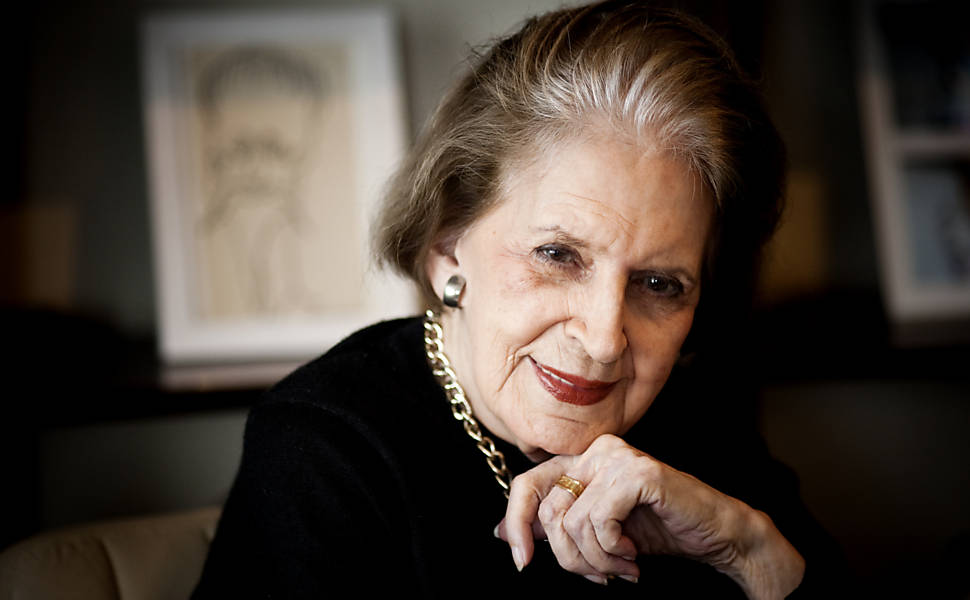
Lygia Fagundes Telles on misogyny in literature and the objective of writing
“I used to think: I’m writing so well and they aren’t talking about my text, they’re talking about my face. It made me very unhappy and I felt persecuted.” - Lygia Fagundes Telles
Owning many of the biggest literary prizes of portuguese language like the Camões Prize of 2005 and the Coelho Neto Prize given by the ABL for her book “The Girls”, Lygia Fagundes Telles is a consolidated name of the Brazilian literature. Born in 1923, she became an influent figure not only by her written work but also due to her efforts as an intellectual and public figure.
In an interview by the show Roda Viva she tells her story in one and a half hour. She speaks about her formation years all the way to her stablished career in contact with other famous writers like Mario de Andrade and Jorge Luís Borges. When commenting her first book – which she now rejected as being an immature work – she talks about how she used to see her vocation as a writer:
“I was ashamed of saying that I had a vocation because I thought that a vocation demanded success. As time passed I perceived: it has nothing to do with success.”
And this is the vocation that allows her to navigate through so many themes of the human life with so much mastery and at the same time create a path to her reader, a possibility. To Lygia the word has an utility so clear as her objective as a writer:
“If I can help my someone in his suffering, in his fear, in his fight, that’s also my fight and that’s also my fear and also my suffering. If I can help someone with this word, mission accomplished. When Death come to look me in the eyes to say “let’s go” I will say: I’m ready, I did what I could.”
However can come in less clear forms through the written work. She also believes that this opacity of the literary text can work as an enhancer of the message that underlies the work:
“I don’t demand to be comprehended. The writer don’t have to be comprehend because comprehension is hard to be achieved. […] The writer circumvents, he also isn’t very open, he plays. The reader becomes an accomplice, he becomes an accessary. It’s like a criminal who is going to commit his crime and then needs all that circumstance that will help him to do the thing as perfect as possible.”
To write in groups dominated by men in times when the oppression against women was even harsher than today is no easy task. She tells some of her struggles as a beginner that are still true to many female writers today:
“I was young, beautiful and wanted to be more intelligent. Then the prejudice. I was beautiful and stuff, so I wanted people to respect me and they didn’t because they wanted to talk about beauty, I always got furious, do you understand? Because I used to think: I’m writing so well and they aren’t talking about my text, they’re talking about my face. It made me very unhappy and I felt persecuted.”
Along the interview she also talks about her last contact with the Argentinian writer Jorge Luís Borges and attacks the superficiality of the traditional media and ask more respect towards the intelligence of the Brazilian people. Today’s post is an invitation to watch this short lesson about history, literature and art. To listen a writer so incredible is second only to reading her books.
Watch the full interview in Portuguese: